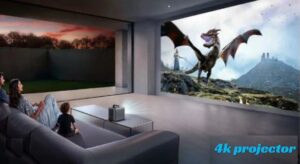


A projector screen for home theatre is no longer a luxury; it has become an essential part of a complete home entertainment experience. Whether you are a movie enthusiast or someone who loves hosting movie nights, the right projector screen can dramatically enhance picture quality, color vibrancy, and overall viewing comfort. At NanoTheatre, we specialize in providing high-quality projector screens that transform your living space into a professional theatre experience.
Why Invest in a Projector Screen for Home Theatre
Choosing the right home movie theatre projector screen is crucial because it affects every aspect of your viewing experience. Unlike regular TV screens, a projector screen offers a larger display without compromising space. With NanoTheatre’s selection, you can enjoy crystal-clear visuals, sharp contrasts, and an immersive cinematic feel right in your living room.
A projector screen for theatre room ensures that every seat in your theatre has a perfect view. This is especially important for those who want a professional-grade home cinema setup. With the proper installation, a theatre projector screen minimizes light reflection and maximizes image brightness, ensuring your movies look stunning every time.
Types of Projector Screens
- Projector Screen for Home – Designed for residential use, these screens are perfect for movie nights, gaming, and streaming. They are compact, easy to install, and provide exceptional image clarity.
- Projector Screen for Stage – Ideal for events, presentations, or school performances. These screens are larger and designed for audience visibility in bigger spaces.
- Projector Screen for Cinema & Theatre – Perfect for dedicated theatre rooms or commercial cinema setups. These projection screens deliver superior contrast, wide viewing angles, and long-lasting durability.
- Projector Screen for Theatre Seating – Tailored for spaces where multiple viewers are seated at different angles. These screens maintain image clarity across the room, ensuring everyone enjoys the best view.
Features to Look for in a Theatre Projector Screen
When choosing the best projector screen for theatre, consider the following:
- Screen Material: High-quality materials improve brightness and contrast. NanoTheatre offers screens made from premium projection fabrics for an unmatched viewing experience.
- Size: Match your screen size with your room dimensions. A projector screen for movies should allow comfortable viewing without straining your eyes.
- Mounting Options: Wall-mounted, ceiling-mounted, or motorized screens. Motorized home movie theatre projector screens offer convenience and elegance.
- Gain Factor: Determines how well the screen reflects light. The right gain ensures vibrant colors and deep blacks.
- Durability: Long-lasting screens that resist sagging, warping, and wear over time.
Projector Screen Price
The projector screen price varies depending on size, type, and features. While you might find budget-friendly options, investing in a quality screen from NanoTheatre ensures longevity and superior performance. Think of it as an investment in your entertainment that brings professional-grade cinema to your home.
Why Choose NanoTheatre
At NanoTheatre, we understand the importance of a perfect home cinema experience. Our projector screen for theatre collection is carefully curated to meet every need – from casual movie watchers to serious cinephiles. Each screen undergoes strict quality checks to deliver the best picture quality and durability.
We also provide installation support for your home movie theatre projector screen, ensuring it fits perfectly and enhances your theatre room aesthetics. Our team can guide you in selecting the ideal screen based on your room size, seating arrangement, and lighting conditions.
FAQs
Q1. What is the best projector screen for theatre?
Ans: The best projector screen depends on your room size, seating arrangement, and viewing preferences. NanoTheatre offers a variety of high-quality screens suitable for home theatres, stage use, and cinema rooms.
Q.2Can I use a home movie theatre projector screen for stage performances?
Ans: Yes, many of our screens are versatile and can be used for projector screens for stage as well as home cinema setups.
Q.3 How do I choose the right size for a theatre projector screen?
Ans: Measure your room and consider the distance between the screen and seating. A good rule of thumb is that the viewing distance should be about 1.5 to 2.5 times the screen height.
Q.4 What affects projector screen price?
Ans: Size, material, mounting type, and features like motorization and gain factor affect the projector screen price. Investing in a quality screen ensures durability and better viewing quality.
Q.5 Can I install a projector screen myself?
Ans: Yes, many projector screens for home theatre are designed for easy installation. However, for large or motorized screens, professional installation is recommended.
Investing in a theatre projector screen from NanoTheatre ensures your home cinema experience is immersive, stylish, and enjoyable for every movie night. Upgrade your entertainment space with the best projector screen for theatre today and turn your living room into a professional-grade cinema.
Follow us on: Instagram